

Millennials are known to be cost-conscious seekers of exclusive and unique experiences; frequently attending festivals, nightlife events and travel excursions. However, as the demand for unique or VIP experiences grows, so does the cost of such experiences, creating a barrier between who can and who cannot afford to participate. Vipsplit was designed to eliminate this barrier to entry, allowing users to save money while sharing their experience with old and new friends.

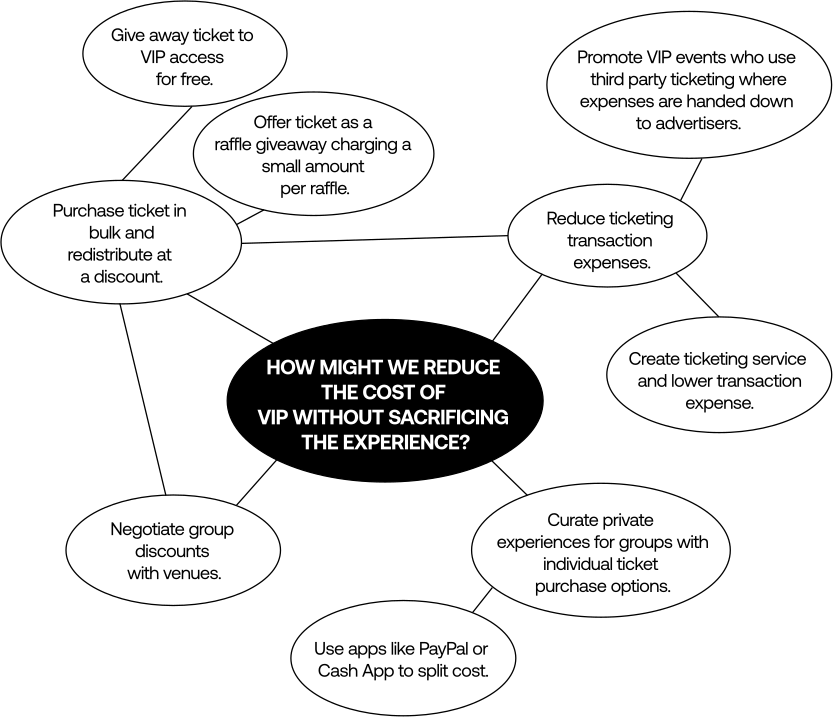
To help generate ideas and explore potential opportunities, I began by conducting a mind-mapping activity with the client. This exercise prevents me from assuming any particular solution and critically analyze the problem I am trying to solve.
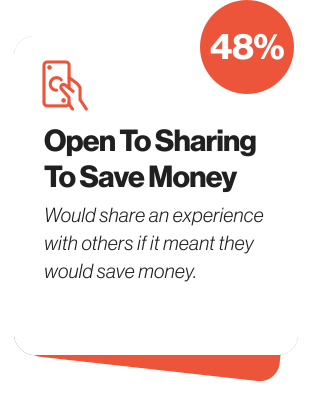
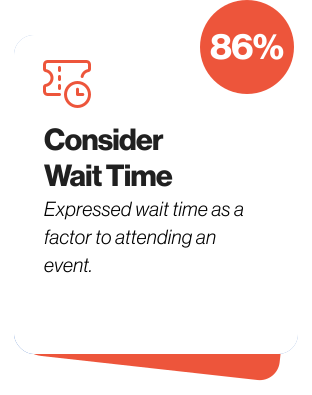
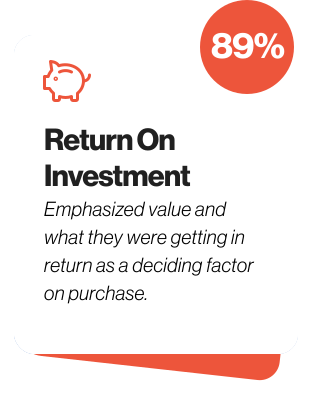
I wanted to discover what factors users considered when purchasing tickets for an event or experience. I conducted 3 rounds of survey interviews yielding a total of 52 total responses from professional and college students between the ages of 28 and 42. I discovered that users were more likely to purchase a ticket if it meant saving money, shorter purchase wait time and a fair exchange for their investment.
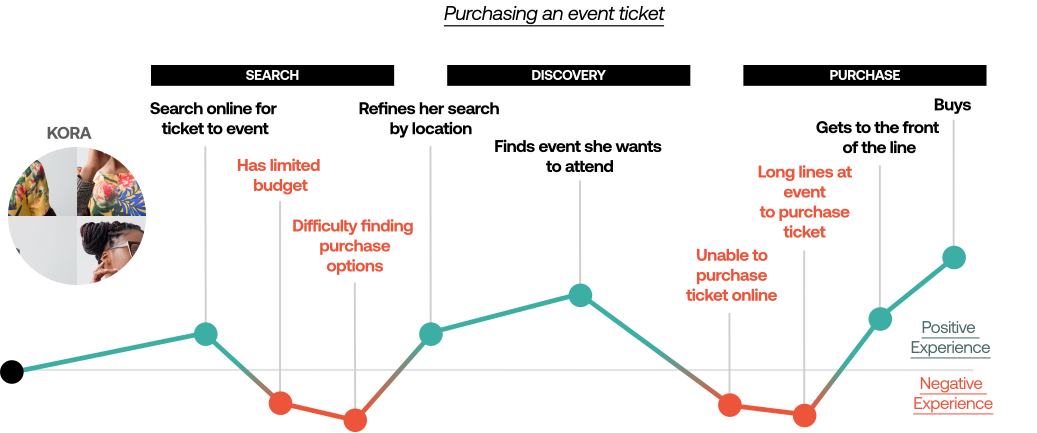
After visually representing the event ticket purchasing experience, I synthesized an initial hypothesis that proto-persona Kora would prefer to have an easy and economical online option to purchase tickets because it expedites the process.
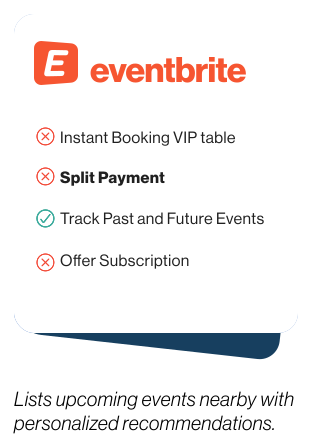
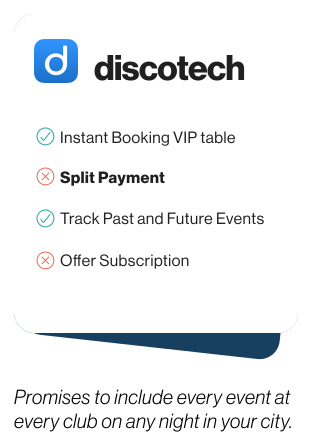
While all three popular event ticketing apps tracked past and future events, and two out of three offered users the ability to instant book a vip table, only one offered the ability to split payment without exiting the application.

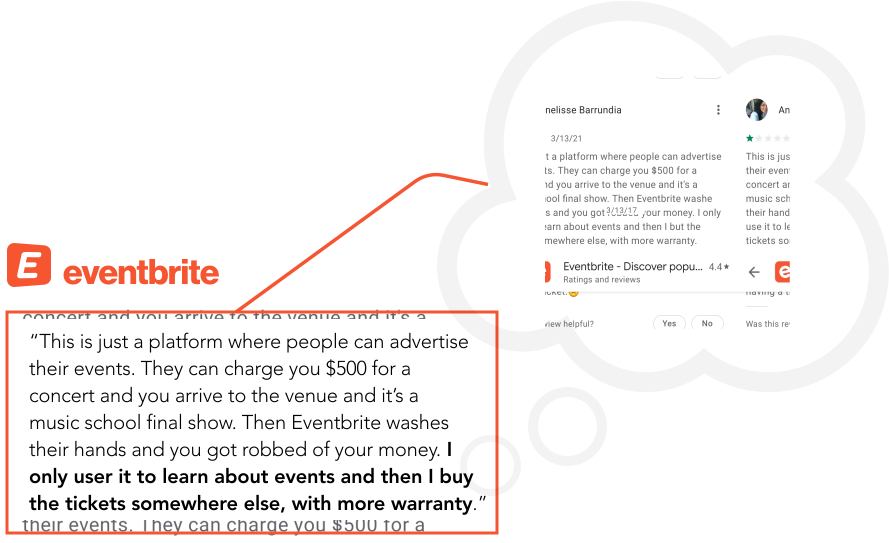
I discovered that some users expressed a lack of trust and felt mislead by hidden fees and unexpected experiences on some popular applications. If we could design a solution based on being fully transparent with pricing and vetting event partners, we may be able to carve out a space and provide a sustainable service.
Understanding that expense sharing is not a unique differentiator, I knew that Vipsplit would need to leverage a more distinct value proposition. I proposed these 3 foundational principles that would differentiate Vipsplit from its competitors.
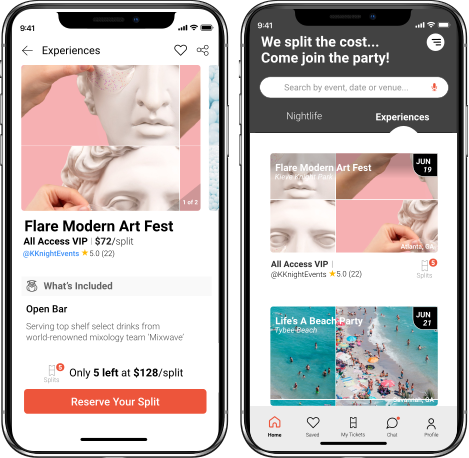
I leveraged best design practices to accelerate familiarity and user adoption. I decided to present event options as cards. The size, and shape of this physical cues imitates the style of a card and is an explicit affordance that suggests pressing.
Events have a unique set of details associated with them. It can be difficult to capture all of that detail on one page and certainly not a good practice to do it on the homepage. Presenting users with a list to detail experience addresses this concern.
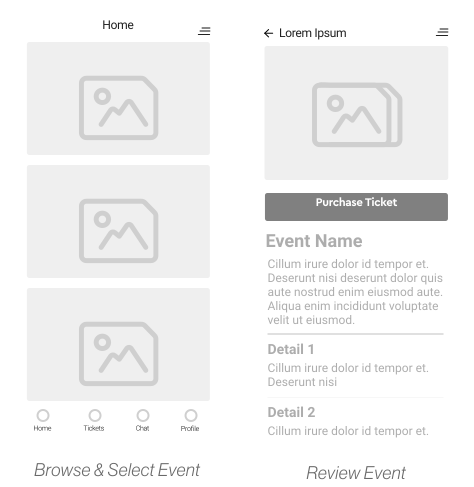
Material Design navigational pattern such as app bar and tabs construct makes the app feel more intuitive and allows users to navigate to different sections of the app via tapping or horizontal swipe gesture. This helps to make navigation clear.
Communicating the amount of remaining splits available allows me to leverage scarcity marketing. Not only does this approach help to convert interests into sales but also ensures that users don’t miss out on offers they are truly interested in.
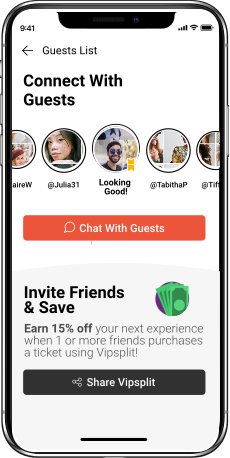
Users can easily understand our business model and see how their participation in helping to grow our community can be rewarded.
Users are encouraged to chat with other event guests to drive user-to-user interaction and allow community bonds around events.
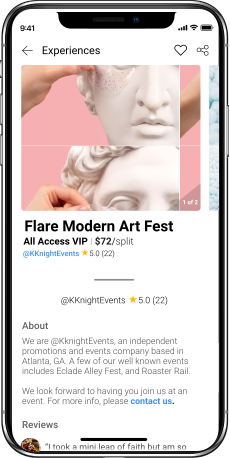
Vipsplit is a community marketplace and in the interest of creating an environment for VIP events to exist, I also wanted to communicate assurance to our users by allowing them to read reviews about the event curators.
What was once imagined as a platform offering premium events at a fraction of the cost had to be re-imagined due to the impact that Covid 19 had on how we socialize in the world today.
While the beta version of the app is complete and ready for launch, the owners of the product have decided to delay deployment and explore offering tickets to low to no contact virtual experiences such as gourmet cooking classes and other educational courses taught by professionals. With this approach users still can take advantage of sharing the cost of an experiences they might not have been able to afford alone.
The promising news is that virtual events are pretty much infinity scalable and relatively inexpensive outside of server and bandwidth cost (which can vary in expense depending on added user base.


